
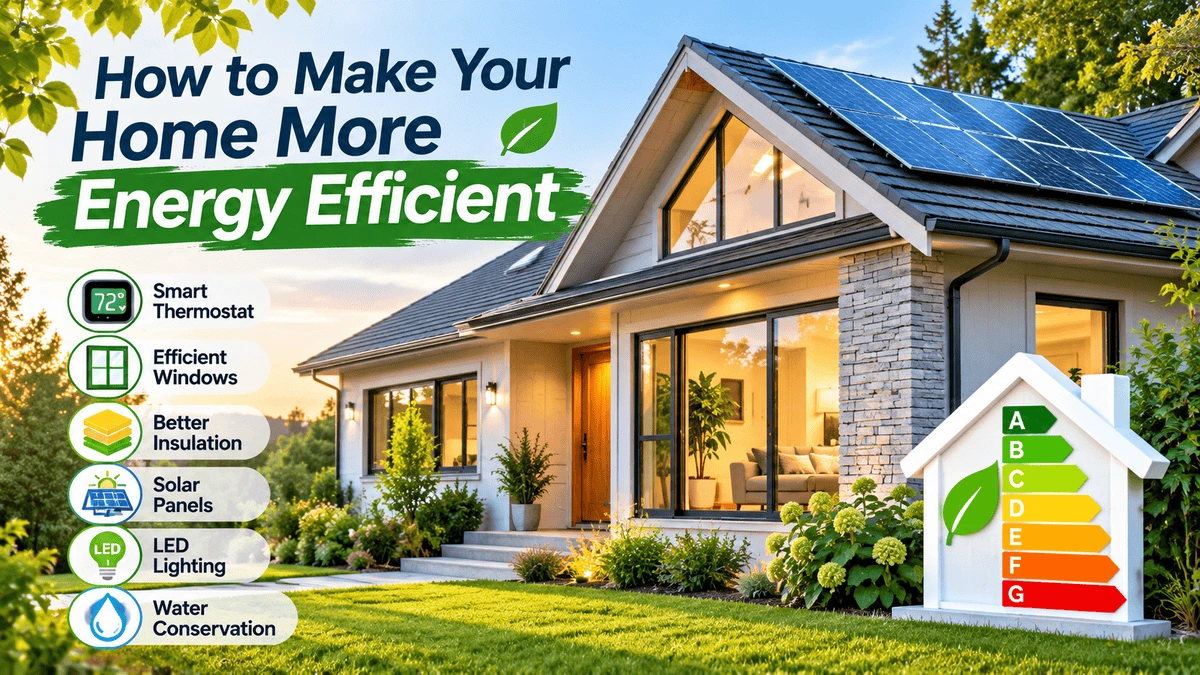
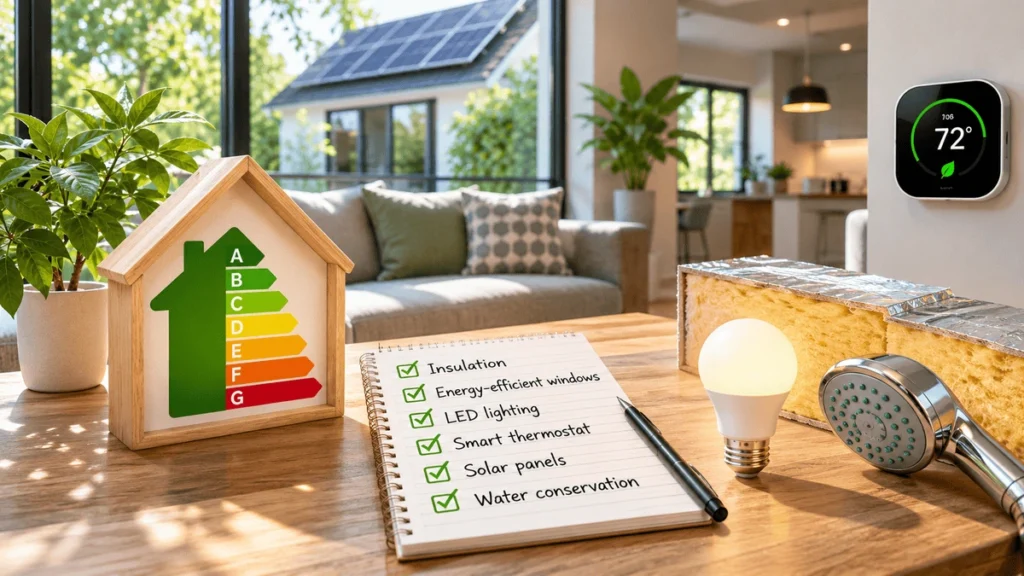
Making your home more energy efficient is one of the smartest ways to reduce household expenses, improve indoor comfort, and minimize your environmental impact. Whether you own a newly built property or an older house, there are practical improvements you can make to reduce unnecessary energy consumption without sacrificing your comfort.
From adjusting your thermostat and improving insulation to installing energy-efficient appliances and exploring renewable energy, small changes can make a meaningful difference over time. The key is understanding where your home uses the most energy and choosing improvements that provide the greatest benefits.
As energy prices and environmental concerns continue to influence household decisions, homeowners are increasingly looking for ways to use electricity and other resources more responsibly. Even simple habits, such as switching off unused lights or adjusting heating and cooling schedules, can help reduce unnecessary consumption.
Combining energy-efficient home improvements with competitive electricity plans can also help you manage household expenses. For example, Texas homeowners can compare providers and explore cheap electricity rates Texas to find plans that better suit their energy usage.
Here are practical ways to make your home more energy efficient, save money, and create a more comfortable living environment.
1. Adjust Your Thermostat and Use Heating and Cooling Efficiently
Heating and cooling systems are among the major energy consumers in many households. However, homeowners often overlook how much energy is wasted when these systems operate unnecessarily.
One simple improvement is adjusting your thermostat according to your daily schedule. If nobody is home during working hours, there is usually little reason to maintain exactly the same temperature as when everyone is indoors.
During colder months, lowering the heating temperature slightly while you are away can reduce energy consumption. During warmer months, setting the air conditioner a little higher when the house is empty can also help.
Consider these practical thermostat tips:
- Use a programmable thermostat: Set automatic temperature adjustments according to your daily routine.
- Install a smart thermostat: Some models allow remote temperature control and energy-use monitoring through a smartphone.
- Avoid extreme temperature settings: Setting the thermostat excessively high or low does not necessarily heat or cool your home faster.
- Maintain your HVAC system: Clean or replace filters according to the manufacturer’s recommendations.
- Use ceiling fans: Fans can improve air circulation and make rooms feel more comfortable without requiring excessive air conditioning.
Remember that the ideal temperature depends on your climate, household preferences, and heating or cooling equipment. The goal is to maintain comfortable indoor conditions without unnecessarily running your HVAC system.
2. Improve Your Windows and Reduce Heat Transfer
Windows play an important role in your home’s energy performance. Older or poorly sealed windows can allow unwanted heat to enter during summer and escape during colder weather.
This means your air conditioner or heating system may need to work harder to maintain a comfortable indoor temperature.
Replacing inefficient windows with properly selected energy-efficient models can improve insulation, reduce drafts, and help maintain more stable indoor temperatures.
However, complete window replacement is not always necessary. Depending on the condition of your existing windows, less expensive improvements may provide worthwhile results.
Practical Ways to Improve Window Efficiency
- Seal gaps: Use suitable weatherstripping or caulk around window frames to reduce unwanted air leakage.
- Install thermal curtains: Insulated curtains can help reduce unwanted heat transfer.
- Use blinds and shades: Close window coverings during periods of intense sunlight to reduce indoor heat gain.
- Consider double-glazed windows: Multiple glass panes with an insulating space between them can improve thermal performance.
- Choose suitable window coatings: Low-emissivity (Low-E) glass can help control heat transfer while allowing natural light into your home.
Before investing in replacement windows, consider your local climate, existing window condition, and the overall cost of the project. A professional assessment can help determine whether repairs, sealing, or replacement would provide the best value.
Homeowners interested in long-term property improvements can also explore the advice and services available through Clearmaxwindows.com.
3. Use Water Responsibly and Improve Water Heating Efficiency
Water conservation is another important part of creating an energy-efficient home. Although reducing water consumption may seem unrelated to electricity savings, heating and distributing water also requires energy.
For households that use electric water heaters, reducing unnecessary hot-water consumption can help lower electricity usage. It can also reduce water bills where water is metered.
Here are several ways to use water more efficiently:
- Turn off the tap while brushing your teeth or shaving.
- Choose shorter showers instead of unnecessarily long showers.
- Repair leaking faucets, showerheads, and pipes.
- Install water-efficient showerheads and faucet aerators.
- Run washing machines only when you have a suitable full load.
- Use cold-water washing cycles when appropriate for your laundry.
- Consider water-efficient dishwashers when replacing older appliances.
Make Your Water Heater More Efficient
Water heating can account for a significant portion of household energy consumption. Therefore, improving your water heater’s efficiency can be another worthwhile investment.
Consider the following improvements:
- Set the water temperature according to manufacturer and local safety recommendations.
- Insulate accessible hot-water pipes where appropriate.
- Repair leaking hot-water taps and connections.
- Maintain your water heater according to its manufacturer’s instructions.
- Consider an efficient heat pump water heater when replacing an older electric model, if suitable for your property and climate.
These improvements can help reduce unnecessary water and energy consumption while maintaining convenient access to hot water.
4. Add Proper Insulation and Seal Air Leaks
Insulation is one of the most important elements of an energy-efficient home. It helps slow the movement of heat through the building, keeping indoor spaces more comfortable throughout the year.
Without adequate insulation, your home may lose heat during colder weather or absorb excessive outdoor heat during warmer periods. This can increase the workload of your heating and cooling systems.
The amount and type of insulation required depend on your property’s construction, local climate, and building regulations.
Important Areas to Insulate
- Attics and roofs: Roof spaces can contribute significantly to unwanted heat transfer, particularly in hot climates.
- External walls: Suitable wall insulation can help maintain more consistent indoor temperatures.
- Floors: Floor insulation may improve comfort, particularly in properties with exposed or uninsulated floors.
- Hot-water pipes: Pipe insulation can reduce unnecessary heat loss during water distribution.
- Ductwork: Insulating and sealing heating and cooling ducts can help prevent energy losses.
Do Not Forget Air Sealing
Insulation works best when combined with effective air sealing. Small openings around doors, windows, pipes, electrical outlets, and other building connections can allow conditioned air to escape.
You can use appropriate caulking, weatherstripping, and door sweeps to reduce unwanted air leakage.
However, avoid sealing necessary ventilation openings or combustion-air supplies. Proper ventilation is essential for maintaining indoor air quality and preventing moisture-related problems.
Before adding insulation, consider arranging a professional home energy assessment. An energy assessor can identify areas of heat loss, air leakage, and other problems that may be increasing your energy consumption.
5. Consider Installing Solar Panels
Solar energy is becoming an increasingly popular option for homeowners interested in renewable electricity. Solar panels convert sunlight into electrical energy that can be used to power household appliances, lighting, and other equipment.
Depending on your location, electricity rates, roof conditions, and system size, installing solar panels may help reduce your dependence on electricity purchased from the grid.
However, solar panels are a long-term investment, and the financial benefits vary between properties. Before making a decision, it is important to understand the installation costs, expected electricity generation, maintenance requirements, and available payment options.
Benefits of Residential Solar Panels
- Renewable electricity: Solar panels generate electricity using sunlight rather than directly relying on fossil-fuel-based generation.
- Potential electricity savings: A properly designed system may reduce the amount of electricity purchased from your utility provider.
- Battery storage options: Home battery systems can store excess solar electricity for later use, depending on system design.
- Greater energy independence: Solar and battery systems can provide additional flexibility during certain grid interruptions, subject to system configuration.
- Long-term planning: Solar installations can help homeowners manage some of their future electricity costs.
Things to Check Before Installing Solar
Before purchasing a solar system, evaluate your average electricity consumption, available roof space, roof condition, sunlight exposure, and local utility policies.
Request quotations from qualified installers and compare the estimated system output, equipment warranties, installation costs, and maintenance requirements.
Also investigate local incentives, tax rules, and electricity export arrangements. These policies vary by country and can change over time, so avoid assuming that a particular incentive will apply to your installation.
Solar panels are not necessarily the first improvement every household should make. Reducing energy waste through insulation, air sealing, and efficient appliances can help you install a more appropriately sized renewable energy system later.
For homeowners researching residential construction and property developments, house and land packages Melbourne eastern suburbs may also be a useful resource when exploring housing options and planning energy-efficient features during the building process.
6. Replace Traditional Incandescent Bulbs with LED Lighting
Lighting is another area where homeowners can reduce unnecessary electricity consumption. If your home still uses traditional incandescent bulbs, replacing them with light-emitting diode (LED) bulbs is a relatively simple improvement.
LED lighting is significantly more energy efficient than traditional incandescent lighting. It also generally lasts much longer, reducing the frequency of bulb replacements.
Unlike incandescent bulbs, which release much of their energy as heat, LEDs convert a greater proportion of the electricity they consume into visible light.
Why Choose LED Bulbs?
- Lower electricity consumption: LEDs use substantially less electricity than comparable incandescent bulbs.
- Longer lifespan: Quality LED bulbs can operate for many years, depending on usage and product specifications.
- Less heat production: LEDs generally release less heat than traditional incandescent bulbs.
- Different lighting options: They are available in warm, neutral, and cool color temperatures.
- Multiple applications: LEDs are suitable for indoor lighting, outdoor fixtures, decorative lighting, and many other applications.
When purchasing LED bulbs, check the brightness measured in lumens rather than choosing a bulb based only on wattage. Also confirm that the bulb is compatible with your fixture and dimmer switch.
You do not necessarily need to replace every bulb immediately. Start with lights that are used for several hours each day, as these may provide the most noticeable electricity savings.
7. Choose Energy-Efficient Household Appliances
Household appliances can account for a considerable share of residential electricity consumption. Refrigerators, washing machines, dishwashers, dryers, and other electrical equipment may operate regularly throughout the week.
Replacing an old appliance with an energy-efficient model can reduce electricity consumption over its useful life. However, the potential savings depend on the appliance’s age, condition, usage, and the efficiency of its replacement.
Before purchasing a new appliance, compare its energy consumption rather than focusing only on its purchase price.
What to Look for When Buying Appliances
- Check the official energy-efficiency label used in your country.
- Compare annual electricity consumption where this information is available.
- Choose an appliance with a suitable capacity for your household.
- Consider efficient refrigerators and freezers because they operate continuously.
- Look for washing machines with efficient water and electricity usage.
- Use energy-saving settings when they are appropriate for the task.
Remember that even efficient appliances can waste electricity when used unnecessarily. For example, avoid leaving equipment running when it is not needed and use automatic power-saving features where available.
8. Reduce Standby Power Consumption
Many electronic devices continue consuming small amounts of electricity even when they are switched off or not actively being used. This is commonly called standby power or phantom energy consumption.
Individually, these devices may not use a large amount of electricity. However, the combined consumption of multiple electronics throughout the home can add up over time.
Common examples include:
- Televisions and entertainment systems.
- Desktop computers and monitors.
- Printers and office equipment.
- Gaming consoles.
- Microwave displays and other household electronics.
- Chargers and power adapters that remain plugged in.
To reduce unnecessary standby consumption, switch off devices when they are not needed. Smart power strips can also help disconnect multiple devices together.
Be careful not to disconnect equipment that requires continuous power for safety, security, medical, refrigeration, or other essential functions.
9. Use Natural Lighting and Improve Home Ventilation
Natural lighting can reduce the need for artificial lighting during daylight hours. It can also make indoor spaces feel more open and comfortable.
Consider arranging furniture and workspaces so that you can benefit from available daylight without creating excessive glare or unwanted heat gain.
Other practical improvements include:
- Keep windows clean to allow more natural light into rooms.
- Use light-colored interior surfaces where suitable.
- Install appropriately designed blinds and curtains to control sunlight.
- Use natural ventilation when outdoor conditions are comfortable and air quality is suitable.
- Consider ceiling fans to improve air circulation.
In warmer climates, external shading, roof ventilation, and suitable window placement can help reduce indoor heat gain. In cooler climates, managing window coverings and drafts can help retain indoor warmth.
Remember that natural ventilation should complement, not replace, necessary mechanical ventilation in spaces that require it.
10. Conduct a Home Energy Audit
If you are unsure where your home is wasting energy, a home energy audit can be a useful starting point.
An energy audit examines how different parts of your property use energy and identifies opportunities for improvement. Depending on the assessment, it may include an inspection of insulation, windows, doors, heating and cooling equipment, lighting, appliances, and air leakage.
Some professional assessments also use specialized equipment, such as blower door testing and infrared cameras, to identify hidden air leaks and insulation problems.
What Can a Home Energy Audit Help You Identify?
- Areas with insufficient insulation.
- Unwanted air leakage around building openings.
- Inefficient heating and cooling equipment.
- High-energy-consuming appliances.
- Opportunities to improve lighting efficiency.
- Potential improvements to water heating systems.
Once you understand where energy is being wasted, you can prioritize improvements according to their estimated costs, potential savings, and importance to your home’s comfort.
This approach can help you avoid spending money on expensive upgrades before addressing simpler problems.
11. Develop Energy-Saving Habits at Home
Not every energy-saving improvement requires professional installation or a large investment. Everyday habits can also make a difference when practiced consistently.
Consider introducing the following habits into your household routine:
- Switch off lights when leaving unoccupied rooms.
- Turn off appliances when they are not needed.
- Use washing machines and dishwashers efficiently.
- Avoid unnecessarily opening refrigerator doors.
- Use natural daylight whenever possible.
- Adjust heating and cooling settings according to your schedule.
- Clean appliance filters and maintain equipment regularly.
- Monitor your electricity consumption and compare monthly bills.
These small adjustments may seem insignificant individually, but combining them with appropriate home improvements can help reduce unnecessary energy use.
12. Prioritize Energy-Efficient Improvements According to Your Budget
Making your home more energy efficient does not mean completing every upgrade at once. In fact, taking a gradual approach can make improvements more affordable and easier to manage.
Start with simple changes that require little or no investment. Once these are in place, consider larger projects based on your property’s needs and available budget.
Low-Cost Energy-Saving Improvements
- Switch off unused lights and appliances.
- Replace frequently used incandescent bulbs with LEDs.
- Adjust thermostat settings according to your schedule.
- Seal small gaps around suitable doors and windows.
- Use curtains and blinds to control indoor temperatures.
- Reduce unnecessary hot-water consumption.
Medium-Cost Improvements
- Install a programmable or smart thermostat.
- Improve attic or roof insulation.
- Upgrade inefficient appliances.
- Install water-efficient fixtures.
- Improve window sealing and weatherstripping.
- Service or upgrade inefficient heating and cooling equipment.
Long-Term Investments
- Replace inefficient windows where appropriate.
- Install a properly designed solar energy system.
- Consider home battery storage where suitable.
- Upgrade to an efficient heat pump system.
- Improve wall, floor, and roof insulation.
- Consider major building-envelope improvements during renovations.
The best starting point depends on your climate, property condition, current energy usage, and local electricity prices. A home energy audit can help you identify which improvements deserve priority.
Frequently Asked Questions About Home Energy Efficiency
1. What is the easiest way to make your home more energy efficient?
Some of the easiest improvements include replacing frequently used incandescent bulbs with LEDs, switching off unused appliances, adjusting thermostat settings, sealing air leaks, and using natural lighting. These changes require relatively little investment and can help reduce unnecessary energy consumption.
2. How can I reduce my household electricity bill?
You can reduce electricity expenses by using efficient appliances, improving insulation, managing heating and cooling systems, switching to LED lighting, and reducing standby power consumption. Comparing electricity providers and available plans may also help, depending on your location and energy needs.
3. Does insulation really make a home more energy efficient?
Yes. Proper insulation reduces unwanted heat transfer through walls, roofs, floors, and other building components. It can help maintain comfortable indoor temperatures and reduce the amount of energy required for heating and cooling.
4. Are LED lights better than traditional incandescent bulbs?
Yes. LED bulbs generally use substantially less electricity and last longer than traditional incandescent bulbs. They are available in different brightness levels and color temperatures, making them suitable for most residential lighting applications.
5. Are solar panels worth installing at home?
Solar panels can be worthwhile for homeowners with suitable roof conditions, sufficient sunlight, and favorable electricity arrangements. However, the financial benefits depend on installation costs, system performance, electricity prices, available incentives, and how much solar electricity the household can use.
6. What appliances use the most electricity in a home?
Electricity consumption varies by household, but heating and cooling equipment, water heaters, refrigerators, clothes dryers, and other frequently used appliances can account for significant energy usage. Monitoring your household consumption can help identify the biggest energy users.
7. What is a home energy audit?
A home energy audit is an assessment of how efficiently a property uses energy. It can identify insulation problems, air leaks, inefficient appliances, and opportunities to improve heating, cooling, lighting, and water heating performance.
8. Can small lifestyle changes improve home energy efficiency?
Yes. Switching off unused lights, reducing unnecessary hot-water use, adjusting thermostat settings, and running appliances efficiently can help reduce energy waste. These habits become more effective when combined with suitable home improvements.
9. Is replacing windows always the best way to improve energy efficiency?
No. Window replacement can improve energy performance, but it is not always the most cost-effective first step. Air sealing, insulation improvements, shading, and HVAC maintenance may provide better value depending on the condition of the property.
10. How often should I check my home’s energy efficiency?
It is useful to review your energy consumption and home equipment at least once a year. You should also investigate unexpected increases in utility bills, noticeable drafts, temperature differences between rooms, or changes in heating and cooling performance.
Conclusion: Small Improvements Can Make a Big Difference
Making your home more energy efficient does not have to be complicated or expensive. From adjusting your thermostat and improving insulation to using LED lighting and choosing efficient appliances, there are many practical ways to reduce unnecessary energy consumption.
Larger improvements, such as replacing inefficient windows, upgrading heating and cooling systems, and installing solar panels, can also provide long-term benefits when they are appropriate for your property.
The most important step is understanding how your home uses energy and identifying where improvements will make the greatest difference. You do not need to complete every project immediately. Start with affordable changes, develop better energy-saving habits, and gradually invest in improvements that suit your budget.
Ultimately, an energy-efficient home can provide more than potential savings on utility bills. It can also improve indoor comfort, reduce energy waste, and contribute to a more sustainable way of living.
Remember that even small choices can lead to meaningful improvements over time. Start with what you can change today and build a more energy-efficient home one step at a time.

For more ideas about improving everyday habits and making practical lifestyle changes, explore Small Choices, Big Results: How Daily Habits Shape Long-Term Wellness and 5 Small Upgrades That Make a Big Difference in Everyday Life.
“`